Showing posts with label books. Show all posts

Saturday, 20 June 2026

Book review: WHAT WE CAN KNOW by Ian McEwan


It just keeps happening. Each time that I finish another book by Ian McEwan, there is a thought I cannot get rid of: this might be his best work yet. I believed that when I finished Black Dogs all those years ago. Later, Amsterdam. Later, Saturday. Four years ago it happened with Lessons. And this is where I am now, having just finished his latest novel. The only difference this time is that What We Can Know got me into this state of mind two pages into the second part. Which is exactly the moment when you begin to get the sheer scope of what McEwan is about to accomplish here. 

At its heart, What We Can Know has the sort of idea any writer would kill for. We are in 2119, the world has gone through wars, climate cataclysms and economic disasters (McEwan does not get into many details, but if anything, it only strengthens the effect), and the narrator is trying to piece together the past. The past is our present, our time, namely the beginning of the 21st century. The narrator is mostly interested in trying to find one legendary poem that was once written but has never been made public. It may have been called "A Corona for Vivien", and it was a birthday gift from the famous poet Francis Blundy to his wife Vivien. We get into many details about the circumstances of the gift and the birthday party during which the poem in question was recited. 

The backdrop is dark, even harrowing. Much of the UK is submerged in water, life expectancy is sixty-two, University students don't care about the past ('the morons of long ago', as they call us at one point) and Nigeria seems to be the most powerful and technologically advanced country in the world. The money is scarce and so is the food. Your average diet includes eel pies, protein cakes and mushy apples. It is an unappealing world, but it keeps trudging along in the shadows of tragic delusions and decisions of the past. It is inhabited by people who keep going about their lives: they love, they cheat, they make plans. 

What We Can Know is not about the present, though. It is about the past (or, basically, our present). The past has been analysed, dissected and 'robbed of its privacy'. And yet the past looks impossibly distant and unknowable (though admittedly, doesn't it seem sometimes that 2014 happened at least half a century ago?). You could dig around it for years but still there would be limits to what you can know. Sometimes time goes faster and sometimes it slows down almost to a halt. The past gets trapped in it, and the important circumstances are coloured in dark secrets and inevitable subjectivity. 'The past', writes McEwan, 'survives in its own special tense, a form of ahistorical present'. 

It is not always easy to get into a McEwan novel. You need time to get your bearings and settle into the right rhythm. But do bear with What We Can Know. His prose is always rewarding, as are the details (as soon as you finish this book, you will want to read it all over again), as is the mood of uncertain and slightly compromised elation you get while reading. He does get across this idea that what we have now, every little thing, is a miracle. It may not feel that way, but waiting until 2119 to make sure is not a good option. 

I remember that when I first saw the title of McEwan's new novel, I immediately thought of what Salman Rushdie once said about Christopher Hitchens's God Is Not Great: "It is one word too long". The reasons for Rushdie saying that were of course quite different, but it just felt to me that the title didn't seem right. Too many words. Too many short words. And yet some titles prove to you their inevitability once you start reading the book. And What We Can Know is inevitable. If anything, he could have thrown another short word in there - 'not', for instance. Which, however, would slightly cheapen the effect.


Saturday, 31 January 2026

Book review: LUBLIN by Manya Wilkinson


Manya Wilkinson's Lublin (2024) is yet another addition to my list of perfect little novels. Others include Seize The Day by Saul Bellow, Pnin by Vladimir Nabokov and The Sense Of An Ending by Julian Barnes (the list goes on, obviously). Its perfection lies in the fact that there isn't a breath wasted or a word misplaced. The prose is beautiful and concise, and the emotional range goes from hysterical laughter to tears of despair. Some works of art you savour, not merely read, and Lublin is one of those books. 

The plot is fairly simple, and gives off the vibes of an old Jewish fable: three friends embark on a journey to a city none of them have ever been to. This is the very beginning of the 20th century, and the city in question is Lublin (f0r the record, my second favourite Polish city, after Poznan). They don't know much about the place, and have a vague understanding of its location. There is a sense, though, that this city, this mythological metropolis, is the greatest place on Earth. It has the most beautiful girls. The best wine and the best food. It's a place of opportunities where you can make money and fall in love. 

Elya is the one with the map. He loves to tell jokes (the jokes are decidedly hit and miss) and has this magical ability to conjure them on the spot and under the most vexing circumstances. Most importantly, he wants to be a businessman and carries a set of brushes that the three friends are planning to sell at the Lublin market. He is the one with the big idea, and he is the one who pushes the whole company forward. The two other friends are Kiva (comes from a rich family, knows all about Adoshem and prays incessantly) and Ziv (Kiva's cousin; hates Russians but likes Dostoevsky, wears bad shoes and will beat you up for fun), and they need to be persuaded all the time that this whole journey is not a complete waste of time.

As you would expect from a good old fable, there are hardships and adventures along the way. Temptations, selflessness, acts of real friendship, betrayal. The backdrop is very vivid, and you never get to forget the time period. 1906. There are despicable crooks along the way, and drunk Russian soldiers. In the meantime, Lublin remains desirable but elusive. Kiva wants to go back home. Ziv wants to get to the Village of Girls (does it even exist?) And even Elya has crises of faith that almost force him to abandon the whole thing and go back home to his girlfriend and sorry family business. 

There are two types of book titles, as Martin Amis wrote in the introduction to London Fields. Those that denote things which are already there. And those that are 'present all along', that 'live and breath, or try to, on every page'. Manya Wilkinson's Lublin is a curious case in that it exists between two of those types. Lublin is a little like Beckett's Godot. It is already there, and yet it barely even exists. 

The grim realism of Lublin is absolutely harrowing, and yet it is a very elegant, poetic book. I loved these three characters to bits, and was with Elya all the way. I believed him, too, every time he uttered those magical words:  

"Wait till we get to Lublin".


Wednesday, 17 December 2025

Яшчэ раз пра кнігі


Канец года, і добрая нагода яшчэ раз дадаць спасылкі на мае кнігі, якія па-ранейшаму можна набыць у варшаўскіх крамах, а таксама ў інтэрнэце.

Першая кніга, "Жыццё ў дванаццаці апавяданнях": 

Другая кніга, "Цягнік да Познаня": 


Ну і вось водгук ад Сяргея Дубаўца, які, як мне падаецца, добра перадае атмасферу і сутнасць кнігі.


Thursday, 17 July 2025

"ЦЯГНІК ДА ПОЗНАНЯ"


Зусім хутка выходзіць мая другая кніга, "Цягнік да Познаня". Гэта пяцьдзесят польскіх партрэтаў, гісторый, эсэ. Месца дзеяння ўвесь час мяняецца, але рэдка выходзіць за межы Польшчы. Прынамсі, геаграфічна. 

Гэта вельмі эмігранцкая, вельмі асабістая кніга, дзе з дробных эпізодаў і маленькіх дэталяў я паспрабаваў стварыць свет рэальных людзей. Бо я сапраўды сустракаў кожнага з іх. Польскую піяністку, якая ў старым памяшканні грала музыку Баха. Хлопчыка, які апантана чытаў кнігу на бруднай падлозе варшаўскага аўтобуса. Маладую дзяўчыну, якая стаяла на каленях у касцёле св. Роха ў Беластоку.

"Цягнік да Познаня" перамог у літаратурным конкурсе "Шуфлядка" ў намінацыі "нон-фікшн". Перадзамову кнігі можна зрабіць на сайце выдавецтва Gutenberg: https://gutenbergpublisher.eu/shop/ciahnik/  

У продажы яна з'явіцца напрыканцы месяца. 26 ліпеня кніга будзе прадстаўлена на літаратурным фестывалі ў Кракаве.


Wednesday, 5 March 2025

"Жыццё ў дванаццаці апавяданнях"


Невялікае паведамленне. Выйшла нарэшце мая першая кніга, "Жыццё ў дванаццаці апавяданнях", якую можна набыць у электронным фармаце. Дарэчы, кніга выйшла яшчэ ў мінулым годзе, але ў продажы з'явілася толькі цяпер. Таму запрашаю на старонку выдавецтва (у Беларусі праз VPN): 

https://knihauka.com/pravalocki

Гэтая кніга месціць дванаццаць аповедаў, якія можна разглядаць як асобныя творы, але якія адначасова цесна звязаныя паміж сабой. Сувязь гэтая - жыццё беларускага мастака, якое праходзіць праз розных людзей, розныя падзеі і нават розныя кантыненты. Храналогія пазначана ў назвах апавяданняў: 1979, 1996, 2017... Апошні, дарэчы, пазначаны як 20..., бо невымоўнае зло можа здарыцца ў любы момант. Так мне падавалася, калі я пісаў "Вялікі шум", і так мне падаецца і сёння.  

P.S. І яшчэ кароткі анонс. Цягам года (спадзяюся, у першай яго палове) выйдзе мая другая кніга, "Цягнік да Познані". Гэта будзе ўжо іншае выдавецтва, і гэтым разам кніга будзе як электронная, так і папяровая. Пазней напішу крыху падрабязней. 


Tuesday, 7 January 2025

Book review: STREET-LEVEL SUPERSTAR by Will Hodgkinson


Lawrence is the sort of man who believes The Mother And The Whore is the greatest film ever made. Now you may have heard of people who express that opinion, you may even come across a few of them in real life, but deep down you will always question their honesty. As this brilliant book by Will Hodgkinson demonstrates, Lawrence is an authentic character. His oddness is genuine, and so are his opinions. Lawrence truly loves The Mother And The Whore like no other film. He also believes Vic Godard is the greatest living songwriter. Oh and liquorice candy is the best food in the world.

One of the undeniable achievements of this biography is that you do not even have to be a Lawrence fan to be completely engrossed by the narrative. That I personally happen to love the man's music (Felt's Forever Breathes The Lonely Word, Denim's two studio albums and Go-Kart Mozart's On The Hot Dog Streets are all classics in my eyes) is a nice bonus, but really - you can't help but be fascinated by this strange, enigmatic artist who never washes his jeans, carries a WH Smith bag with him wherever he goes, drinks milky tea and dreams of writing the greatest pop song of all time. Bizarrely, we can all relate. No, seriously, we can. 

The best books start in a way that can be described as inevitable. In Street-Level Superstar: A Year With Lawrence (published in 2024), we meet Lawrence in a Jewish district in London looking for a place to pee and talking about the exquisite, shimmering music from Felt's debut album. What a way to begin. From then on, Hodgkinson creates a fascinating portrait of a flawed, insecure, genuinely odd and talented man who has spent his career striving to break into stardom. As a matter of fact, Lawrence's relationship with fame is the central theme of the book. It is always there, peering from the corner, bubbling underneath every chapter and every sentence. Yes, the "Summer Smash" debacle is definitely mentioned (Lawrence wrote this potential hit single in 1997, it got great notices but was swiftly shelved due to Diana's death - this was the start of Lawrence's darkest years), but the frustration runs a lot deeper and the conclusion that Hodgkinson reaches towards the end is as bittersweet as it is inevitable.

Street-Level Superstar is not even an especially complimentary portrait. If anything, Lawrence is depicted as a difficult, exasperating man. Intriguing, too, but someone you would rather appreciate from a distance (Lawrence's preferred way of dealing with the world). He has a knack for driving other people insane (John Leckie lost it during the recording sessions for Back In Denim) and he seems to have a somewhat unhealthy relationship with money (embittered ex-girlfriend Michaela: "He loved rich people. They didn't even have to do anything for him to love them"). He is erratic and unreliable. "I was under no illusion", writes Hodgkinson in the final chapter of this biography. "His was not a life for any sane person to aspire". Throughout the book, Lawrence is full of painful self-deprecation but also pride in what he has achieved artistically. "When I was young", he says at some point, "I wanted to live in a matchbox". And this from someone who has spent most of his life pursuing the loftiest ambitions. 

Basically, the book gives us one year spent in the company of Lawrence. During this year, we walk with Lawrence through London (and Birmingham, briefly - his hometown), attend his gig at Glastonbury and even the recording session for his latest world smash (titled "Deliveroo Delivery", how else?). And in the background, Will Hodgkinson goes through the man's entire life, from difficult childhood (in an area he hated, with parents he hated) to periods of frenzied creativity to rare friends (Pete Astor, Bobby Gillespie) to estranged girlfriends (both real and imaginary) to years of homelessness and obscurity to the 'grand' unveiling of his giant marble bust in a London gallery. It is quite an incredible story, and Hodgkinson succeeds in bringing the man alive, to the extent that you will be sad to let Lawrence go by the end of it. With his big shopping bag, his famous cap and his diluted tea (two thirds tea, one third milk) bought from Costa Coffee. 

The writing is excellent all the way through, Hodgkinson's style is both humorous and poetic. "It was a glorious day in the city, one of those sunlit afternoons when being alive seems like a great idea. A perfect day, then, to go clothes shopping with Lawrence" (actually, a lot of space in the book is given to Lawrence's dressing style, the kind that puts shop assistants on guard). Or take this paragraph, for instance: "Not only did he never appear to eat anything, he rarely drank water either. The only sustenance appeared to come from the milky tea he liked to buy from Costa Coffee towards the end of our long walks. I, on the other hand, was a mere human, in need of water at the very least". Or when he writes about his personal favourite album On The Hot Dog Streets that opens with "Lawrence Takes Over". Hodgkinson calls the song "poignant because the chances of his taking over were by then as likely as his getting stuck into a cheese fondue". 

Interestingly, towards the end of the book I started to see certain similarities between Lawrence and Mark E. Smith (who initially was quite generous towards Felt). On the face of it, he also tries to be an authoritarian band leader, stingy with money and unwilling to share writing credits. He also writes all the lyrics and does not play any instruments (you could, in fact, paraphrase the famous quote from Smith and say a Lawrence band is Lawrence "and your granny on bongos"). He also gives crazy instructions to his band members. Like he once told the bassist not to play the A-string and the keyboard player to avoid pressing the black keys. But herein lies that crucial difference. The keyboard player never stopped pressing the black keys, and the bassist kept hitting the A-string (he even suggests, half-jokingly, that Lawrence has no idea where the actual A-string is located). 

But despite the failed guidelines, it was all very amiable on the car ride back to London. No bitterness, no threats. He was his usual Lawrence, drinking milky tea, avoiding small talk and writing that elusive hit single in his head. He even approved the draft copy of his biography without any major corrections. As Will Hodgkinson puts it at the very end of the book:

"Lawrence was something else entirely.

Lawrence was a street-level superstar".


Sunday, 17 November 2024

My latest discoveries: MARIANA ENRIQUEZ


I woke up in a city in the south of Poland, in the middle of the night, and there was someone sitting on the edge of my bed. Someone silent and rather small. A boy. He was looking at me, quite intensely, and I felt a mixture of dread and confusion. It actually took me a little while to recollect the short story "The Neighbor's Courtyard" I had been reading on the train from Warsaw a few hours earlier. Little by little, the night light began to seep through the curtains, the boy on the edge of my bed dissipated, and I realised that this was all Mariana Enriquez. Again. 

It was not the first time that it happened. These episodes would keep coming back to me, and the little person from "The Neighbor's Courtyard" was just one of my visitors. They were mostly children. "The Dirty Kid", the one from "Under The Black Water". The girl that entered "Adela's House". They would all make their presence felt in my apartment, in my hotel, even in the street. The more I thought about it, the more sense it made. Mariana Enriquez can do adults, too, but then nobody can feel it like the kids. And nobody can creep you out like them, either.

My fascination with South American literature never really stopped, and this time it revealed itself through the short stories of Mariana Enriquez. The Argentinian writer and journalist has published several novels and short story collections in the Spanish language but so far only four of them have made it into English. Initially I was seduced by the title The Dangers Of Smoking In Bed as well as the glowing Kazuo Ishiguro quote on the cover (he is a fan), after which I sought out Things We Lost In The Fire. As I opened the very first short story a few days later, I felt the chill and the tingling that always accompany great literature. Indeed, there is no way you can read the first page of "The Dirty Kid" and not be impressed. Her Buenos Aires is stark, expressive, horribly alive.

Mariana Enriquez's writing style is visceral yet somehow elegant. Her sentences have this palpable, almost physical intensity, and she has the knack for always finding the right metaphor. When she writes things like 'sunken eyes of insomnia and too many cigarettes', it creates an eerie mood that complements the ghost story perfectly ("The Lookout"). Her pacing is quite fast (too fast sometimes, as is the case with some stories from the first collection), but she will always place you right in the midst of things. In The Dangers Of Smoking In Bed (confusingly, this was translated into English later than the subsequent Things We Lost In The Fire), she sometimes gets carried away with the physiological aspect. You always feel, however, that her main priority is to create the appropriate effect, and if she needs a man to defecate in a suburb of Buenos Aires (or Barcelona, for that matter), she will do that. 

And oh this effect. The stories get burned into your psyche like delicious cigarette ends. This stuff stays with you. Her horror is literary and the shock effect is never cheap and always well warranted. It really is quite hard to find a contemporary writer of such conviction and blistering originality. The story "Rambla Triste", for instance, presents a uniquely bizarre, and clinically precise, take on immigration. The writing is so distinctive it almost makes everything else feel half-assed.

As I have mentioned previously, I find the second collection Things We Lost In The Fire to be a more accomplished work. While the quality in The Dangers Of Smoking In Bed is always there, a certain sense of a few of these stories being a little rushed never left me ("The Cart", for example, which feels somewhat confused about its own ending). That said, the masterful "The Well" about the ever-present evils of the past (one of her favourite topics; is there a more brutal and haunting line than 'the pain and the sand between the legs' in the aforementioned "The Lookout"?), is vintage Mariana Enriquez. As for Things We Lost In The Fire (incidentally, better than the Low album of the same name), I found it absolutely faultless. The tropes are often familiar: haunted houses, weird kids, demons, witches, etc. It is what she does with them that counts, however. She filters it all through South American magic realism as well as her boundless imagination and takes them to wholly new places. 

In a rather odd turn of events, I bought one of her books while on vacation in France a short while age. It was a small English bookstore, and the woman behind the counter said she loved my choice and I was going to have a good time reading that book. I thanked her and left. A few days later I decided to search for Mariana Enriquez's images online, and to my utter surprise I realised that she looked exactly like the woman in the English bookstore. Not possible, of course, but having read the book, I am no longer too sure. That it was a ghost would be the simplest, and least disturbing, of all explanations.   


Monday, 15 July 2024

Book review: PROPHET SONG by Paul Lynch


By the end of this book, I was pacing up and down the room like a madman. High-strung and red in the face, I was very much on my feet wading through the dense ending hoping for an impossible ray of light. This does not happen to me too often. Come to think of it, last time that I could not remain seated while reading a book was ages ago, back when I was breezing through Kafka's Metamorphosis. 

This book is, indeed, a very intense read. So intense, in fact, that it took me a couple of weeks to finish it. A few chapters at once was all I could stomach in the face of the present tense (the entire book is written that way) as well as the relentless onslaught of the plot. 

Paul Lynch's novel won the Booker Prize in 2003, and for a good reason. The book presents a harrowing picture of Ireland becoming a totalitarian state. We are never quite explained how this came about, but the whole point is that maybe we do not need to. Such things happen, people turn into animals in no time at all ("The man has been trained for the rules of the game but the game has been changed so what now is the man", Lynch writes quite early in the book), and all of a sudden you are caught up in the commonplace cruelty and indifference. This is infuriating, disgusting stuff - all the more so because it is very familiar. People of modern-day Belarus will find a lot to relate to here.

The present tense is important as it provides this gruesome engine to the proceedings. We do not see the family of Larry and Molly Stack dealing with the oncoming storm. Instead, we see them right in the midst of it, when all you can do, really, is to adapt. You can put on a brave face, you can join the uprising, but there is only so much that you can change with four children, a father with dementia and the brutal police force (the Garda) knocking on your door on an ordinary Monday evening in the centre of Dublin. Soon the borders will be closed, the food will be rationed and your teenage son will be conscripted and forced to join the army.

The book is written at a desperate pace, but with dashes of beautiful, almost serene poetry ("Molly lifts her face from the screen and meets her mother with a look of clear water"). This poetry, however, cannot shield you from the destination that the book is taking you to. As Molly is trying to make sense of what is going on around her ("coaxing future out of nothingness" is one of Lynch's most brilliant turns of phrases here), she arrives at that very ending that had me walking around the room with the book in my hands. The ending that would seem disingenuous and even manipulative were it not also completely inevitable. Because, really, it could be anyone. Anyone at all. 


Monday, 17 June 2024

Кніга. "ВОСЕНЬ У ВІЛЬНІ" (2019) / Вінцэсь Мудроў.


Калі б не раптоўнае з'яўленне смартфона ў кароткім апавяданні "Дзед і ўнук", то год выдання гэтай кнігі выклікаў бы пэўнае непаразуменне. 2019 год, амаль што наш час (нягледзячы на тое, што кавід, беларуская рэвалюцыя і вайна ва Ўкраіне зрабілі 2019 год неяк непрыстойна далёкім). Але ж усё, кожны сказ, кожнае слова ў зборніку "Восень у Вільні" гучыць крыху старамодна і распавядае пра мінулае. Часам нават старажытнае. Можна сказаць, што калі б не смартфон, у якім бясконца сядзіць той унук, то самае сучаснае слова у кнізе Вінцэся Мудрова - гэта, напэўна, "Пазняк".

На самой справе, ніякай таямніцы тут няма. Пяць гадоў таму кніга была выдана ў якасці ўзнагароды за трэцяе месца ў Прэміі Ежы Гедройца (за раман "Забойца анёлаў"). "Восень у Вільні" - гэта зборнік з дзесяці невялікіх апавяданняў, сярод якіх ёсць адна выдатная аповесць пра Заходнюю Беларусь і некалькі добрых прымераў лёгкай і утульнай шукшынскай прозы.

Заўсёды цікава пабачыць, як аўтар ставіцца да звышнатуральнага. Ёсць пісьменнікі, якія прымаюць яго і нават пускаюць на старонкі сваіх кніг. Ёсць тыя, хто цалкам яго ігнаруе. Даволі адметна, што кніга "Восень у Вільні" пачынаецца з двух апавяданняў, дзе звышнатуральнае не столькі паўстае ў поўны рост, колькі хаваецца за шырмай ды падглядае. І калі ў дзіўнай гогалеўскай містэрыі пра расейскага фабрыканта Лапахіна фінал падаецца разгубленым і безвыніковым, то напрыканцы "Сюжэта" звышнатуральнае добра фліртуе з уяўленнем чытача.

"Сюжэт", дарэчы, паказальны аповед у тым сэнсе, што ў ім мы адразу ж бачым і літаратуру і алкаголь, якія шмат разоў яшчэ будуць паўставаць на працягу кнігі. "Восень у Вільні" поўніцца забытымі паэтамі і празаікамі-няўдачнікамі, якія перажываюць крызіс і знаходзяць выйсце ў танным віне. Пісьменніцтва падаецца тут цяжкай і няўдзячнай справай - але і не без рамантыкі, пэўнай прывабнасці і нават магіі.

І тым не менш галоўнае, што ёсць у гэтай кнізе, і чаму яе трэба чытаць - гэта, канешне, цэнтральная аповесць (цяжка прыдумаць назву больш прыгожую, чым "Восень у Вільні"). У ёй, праз вочы маленькага беларускага хлопчыка, Вінцэсь Мудроў распавядае пра тое, што адбывалася ў Вільні падчас Другой сусветнай вайны. Як тут уладарылі спачатку палякі, потым бальшавікі, а потым літоўцы (не цяжка здагадацца, якую ўладу беларусы ненавідзілі больш). Хлопчык з бацькамі праходзяць праз шматлікія выпрабаванні, галоўнае з якіх нават не немцы, а прыход Чырвонай арміі. "Войска тое, аднак, не чырвонае, а шэрае", як апісвае той дзень хлопчык. (Момант, які нагадаў мне старонкі з кнігі "Ніколі болей" пра рэпрэсіі ў Заходняй Беларусі. На старонках тых распавядалася пра іншага хлопчыка, які выйшаў да салдата Чырвонай арміі і павітаўся з ім: "Добры дзень, таварыш!" На што атрымаў хуткі адказ: "Тамбоўскі воўк табе таварыш".) Тут ёсць і маленькія перамогі і вялікія трагедыі, і ўсё гэта насычана прыгожай, пахучай беларускай мовай. Толькі канцоўка, на жаль, падалася мне паспешнай і крыху абрывістай. 

Ёсць, канешне, у кнізе і сучаснасць, якая паказваецца збольшага праз палітыку. Так, ёсць чорны гумар і сумна знаёмы кожнаму з нас цырк з выбарамі ў апавяданні "Песні ранняй вясны" (малады настаўнік павінен забяспечыць абсалютную яўку ў маленькай беларускай вёсцы - што можа пайсці не так?..). Ёсць сумная канцоўка ў фінальным "Перфомансе". Ну і ёсць, канешне, дэпрэсіўныя, але не безнадзейныя 90-я ў апавяданні "Рыбалка ў бычках". Менавіта тут і з'яўляецца ў пэўны момант гэтае пытанне, на якое дагэтуль няма добрага адказу: "Ну, як там Пазняк?" Пытанне, якое, безумоўна звязвае мінулае і сучаснае. І якое наводзіць на непазбежнае параўнанне, сутнасць якога прыкладна такая: дэпрэсія захавалася, а вось з надзеяй стала значна горш. 


Thursday, 19 October 2023

Кніга. "РАЙЦЭНТР" (2020) / Таня Скарынкіна.


З таго самага моманту, калі я даведаўся пра існаванне гэтай кнігі, я шукаў магчымасць яе знайсці. На паперы, у электроннай версіі, як заўгодна. Але тут, у Варшаве, яе не было. Не было, здавалася, ва ўсёй Польшчы. Тым не менш, я працягваў шукаць. Дзеля гэтай кнігі я паехаў, напрыклад, на кніжную выставу ў Беласток. Быў цёплы канец красавіка, Беласток звыкла нагадваў Гродна, і я ведаў, што мне пашанцуе. "Таня?" запытаў я. "Скарынкіна?" Але ж, вядома, ніякага "Райцэнтра" тут не было. Былі Бахарэвіч і Вежнавец, Пясецкі і Кульбак. Падавалася, што Таня Скарынкіна - гэта цалкам выдуманы персанаж. Як, дарэчы, і яе кніга. 

Тым часам, ідэя-фікс перарасла ў апантанасць, і ва ўсёй беларускай літаратуры мяне вабіў ужо адзін толькі твор. Было б цікава вывучыць прыроду гэтых дакучлівых ідэй, гэтай прымхлівай апантанасці, бо яна здараецца са мной усё часцей. Праблема вырашылася хутка і банальна, як заўсёды. У нейкі момант я зайшоў у інтэрнэт і пабачыў, што "Райцэнтр" Тані Скарынкінай можна набыць каля нашага дома ў Менску. Што і зрабіла мая сястра на наступны ж дзень. А ўжо праз тыдзень я трымаў у руках запаветную кнігу ў невыразнай сіняй вокладцы.  

"Райцэнтр" быў надрукаваны ў выдавецтве Пфляўмбаўм у 2020 годзе. Кніга атрымала другую прэмію Ежы Гедройца, саступіўшы непазбежнай аповесці Евы Вежнавец (пра якую гаворка ішла ў студзені), але абышоўшы выдатнага "Локісава" Артура Клінава і "Жэтон не метро" Андрэя Федарэнкі. "Райцэнтр" - надзвычайна простая кніга. Па сутнасці, гэта зборнік эсэ/рэпартажаў пра родны горад аўтаркі. Ёсць тут, канешне, і Менск, і Варшава, і нават Партугалія, але так ці інакш сюжэты гэтых маленькіх твораў заўсёды вяртаюцца ў Смаргонь. З добрым гумарам, з чароўнай трасянкай - у горад, дзе хочацца быць.

Бо шмат што можна знайсці ў невялікім горадзе на захадзе Беларусі. Па сутнасці, у ім нічога не адбываецца, але Таня Скарынкіна паўстае чалавекам, які можа напісаць верш пра будзённы позірк у краме і правесці ланцужок ад суседа па Вілейскай вуліцы да Холдэна Колфілда. Праз старыя фота, успаміны, нататкі і дыктафон Скарынкіна стварае кантраст, перад якім немагчыма ўстаяць. Бо тут і выпадковая сустрэча з Мулявіным, і квартэра ад Шамякіна і падабенства паміж старым фотаздымкам і карцінай Ганса Гальбэйна. Тут - гэта ў яе дома, у Смаргоні. 

Прыкмета добрага пісьменніка - гэта не толькі ўменне заўважыць Бога на панурай вуліцы і на аўтобусным прыпынку. Прыкмета добрага пісьменніка - гэта яшчэ і здольнасць прыгожа пісаць пра ежу. Аўтарка робіць гэта ў эсэ "Абараны, балваны, сліжыкі, чарнушкі", якое прасякнута шчырай любоўю да традыцыйных беларускіх страў на Куццю. Адчуваецца пах і нават смак. Але ж амплітуда інтарэсаў даволі вялікая, і ёсць тут і кіно, і насякомыя, і пятлісты аповед пра прагу паліць. Дарэчы, такім паўстае кожнае эсэ "Райцэнтра", развілістым і разгалінаваным. Гісторыя, як тая плынь, шукае і знаходзіць новыя напрамкі, але заўсёды вяртаецца да свайго пачатку. Гэта, дарэчы, тая мастацкая таямніца, пра якую неаднаразова піша і сама аўтарка.

У нейкі момант пачынаеш заўважаць, як шмат Скарынкіна ахоплівае ў гэтай кнізе. З гісторыі, з традыцый, з простых жыццёвых акалічнасцей. Яе стыль просты, але дакладны і непасрэдны. Прыстунічаюць і нерв, і гумар, і пэўная эмацыйнасць. Так, як і у кожным аповедзе сяброў, суседзей і сваякоў, кожны з каторых з вялікай ахвотай распавядае пра маленькія і вялікія гісторыі свайго жыцця. Якія, можа, і не заўсёды адпавядаюць рэчаіснасці, але якія нічога ад гэтага не губляюць. Адчуваецца, што цікаўнасць Скарынкінай шчырая, яна ўмее слухаць і знаходзіць сувязь паміж новым і старым, сучасным і мінулым. Так, што сумная безэмацыйнасць водкладкі толькі падкрэслівае мастацкую вынаходлівасць зместу.  

"Не хапае кіношнасці ў правінцыйным жыцці", піша Таня Скарынкіна ў эсэ "Жыццё і смерць казурак". Сваімі адсылкамі і цытатамі, сувязямі і ланцужкамі, яна стварае дзіўны свет, які існуе на мяжы рэальнасці і міфа. І галоўнае ў ім тое, што ў гэтым свеце, гэтым райцэнтры, хочацца быць. Ён прыцягвае нечаканым кіношным святлом і гэтай самай чароўнай правінцыйнасцю. Напэўна, з гэтай прычыны я так хацеў яго знайсці - у тым месцы, дзе яго, здавалася б, і не павінна было існаваць. Але ён тут ёсць, і быў, напэўна, увесь час. Ну і потым... "Райцэнтр" - гэта яшчэ і калекцыя цікавых гісторый.


Saturday, 15 July 2023

Кніга. "СВІННІ" (2023) / Аляксандр Чарнуха.


Адна з главаў кнігі Аляксандра Чарнухі пачынаецца з апісання помніка Леніну. Нічога асаблівага, такія Леніны жывуць пад сонцам і птушкамі ў кожным населеным пункце Беларусі, але ў нейкі момант аўтар стварае метафару чырвонага правадыра, які сыходзіць з пастамента і пачынае рухацца па вуліцах горада. Гэта быў той момант у кнізе (дарэчы, адзіны), калі ўнутры нешта зварухнулася, і нават сэрца пачало біцца хутчэй - бо стварылася ўражанне, што ў рамане сапраўды адбудзецца нешта вартае ўвагі. Хай бы ўжо Уладзімір Ільіч ажыў ды пайшоў каменнай хадой па вуліцах. Хай бы перастраляў усіх. Хай бы зрабіўся трансгендарам. Хай бы апынуўся марсіянінам. Хай бы наўпрост хадзіў ды картава жадаў кожнаму добрага дня. Але ж не, Ленін застаўся стаяць. Нічога не адбылося. Усяго толькі метафара.

У мяне сапраўды ёсць адчуванне, кволае і не зусім надзейнае, што недзе ў нетрах рамана "Свінні" схавана цалкам сабе добрае апавяданне-фарс пра марнае і бессэнсоўнае жыццё беларускага чыноўніцтва. Калі ўзяць даволі перспектыўную першую главу, інфернальную канцоўку і нешта з сярэдзіны, то можна ўявіць кароткі сатырычны твор, які можа заставіць чытача смяяца скрозь боль і агіду. Але ж ёсць пэўная праблема, калі ўжо на трэцяй главе разумееш, што аўтар нічога табе не скажа на працягу двухсотпяцідзесяці старонак рамана. 

Насамрэч, у гэтым месцы я павінен быў бы распавесці пра сюжэт кнігі, пра фабулу і галоўных персанажаў... Зрабіць гэта цяжка, бо падаецца, што раман існуе толькі для таго, каб аўтар уключыў кожны штамп і крынж палітычнага жыцця сучаснай Беларусі (сінія пальцы, жахлівыя дзевяностыя, масандра). Але ж добра. Некалькі словаў пра сюжэт, які сохне і памірае на кожный старонцы "Свіней". Перад намі гарадскі пасёлак Грудзева (дарэчы, геаграфічныя назвы ў кнізе гаворачыя: Качанава, Каранікі...) і яго жыхары. Рэдактар газеты і яе журналісты, галоўны ідэолаг, глава адміністрацыі і г.д. У суседнім пасёлку масава паміраюць свінні, і ўлады пачынаюць думаць пра тое, як падаць гэтую навіну людзям. Сярод іншага, прапаноўваецца растлумачыць трагічные здарэнне нашэсцем іншапланецянаў... Здавалася б - не так усё безнадзейна. Так, але ж аўтар нічога не робіць з гэтай ідэяй. А потым нічога не робіць з ідэяй народнай нездаволенасці. І так да самага канца ў кнізе нічога не адбываецца, адзін нудны рэпартаж за другім (я ведаю, што аўтар працаваў некалі журналістам у Беларусі, але мяне гэта зараз не цікавіць, бо пішу я пра яго раман). 

Калі казаць шчыра, я вельмі хацеў, каб яны сапраўды з'явіліся тут, гэтыя іншапланецяне. Бо раман цалкам складаецца з плоскіх персанажаў, зробленых з таннага кардону і размаўляючых на аднолькавай трасянцы. 

І тут, канешне, паўстае спрадвечнае пытанне: а што, калі яны насамрэч такія, кардонныя і аднамерныя? Чаму б не паказаць іх такімі, якія яны ёсць? Зразумела, але ў чым тады мастацтва? У чым вартасць кнігі? Па сутнасці, нам прапаноўваецца корпацца ў дзярме, бясконца разглядаць тупасць беларускіх чыноўнікаў і час ад часу казаць "так, памятаю, было і такое". Сатыра? Ну, добра, сатыра, але ці павінна яна быць настолькі прымітыўнай? Ці павінна яна апускацца да ўзроўню тых самых Качанавых ды Каранікаў? Чаму не робіць гэтага, напрыклад, Артур Клінаў у сваім рамане "Локісаў", які робіць сатыру з густам і добрым сюжэтам? Клінаў паказвае, што каб высмеяць і выкрыць правінцыйнае ўбоста, патрэбны кантраст, кантэкст, кантрапункт. Яго галоўны персанаж - гэта цалкам адэкватны чалавек, які трапляе ў свет местачковага вар'яцтва. І раптам ты смяешся і суперажываеш, чытаеш і не можаш спыніцца. Бо апынаешся ў свеце сапраўднай літаратуры. 

Альбо возьмем, напрыклад, Андрэя Мрыя. Ва ўступным слове перакладчык кнігі Алесь Плотка (першапачаткова "Свінні" былі напісаны на расейскай мове) распавядае, што гэта першы сапраўды сатырычны беларускі раман з часоў "Запісак Самсона Самасуя". Ну, добра. Але ж нават Самасуй, цалкам камедыйны персанаж, быў вартым суперажывання. Па-другое, у кнізе Мрыя было шмат маленькіх, але сапраўдных сюжэтаў, якія мелі пачатак і заканчэнне. Па-трэцяе, містыка савецкага кантэкста. Так, гумар "Запісак Самсона Самасуя" наўрад ці ўразіць сучаснага чытача - але ж ці прысутнічае гумар у кнізе Аляксандра Чарнухі? 

Бо гумар - гэта безумоўна тое, што магло б выратаваць раман "Свінні". Гумар акупляе нават самую дрэнную сатыру. Але ж тут зноў праблема. І калі стабіліе - гэта цікавы наваяз (спалучэнне "стабільнасці" і "ізабілія"), то ў пераважнай большасці выпадкаў гумар тут паўстае у сумным становішчы. Узровень прыкладна такі: важны госць з Менску замаўляе ў мясцовым кафэ воду з лімонам, а яму прыносяць асобна бутэльку вады і парэзаны лімон... Калі мы адыдзем ад гумару (бо вельмі б хацелася адысці ад гумару) і паразмаўляем пра літаратурныя якасці кнігі, то тут сапраўдны жах. Дрэнныя моўныя клішэ (трохпавярховы мат, жоўтая майка лідзера, на ўсю іванаўскую, цыцэронаўскае красамоўства - гэта не словы персанажаў, гэта словы аўтара) і недарэчныя параўнанні (аднекуль з'яўляецца A Hard Day's Night "Бітлз", які выпальвае дзірку ў старонцы рамана; лепш ужо нешта заплесневелае накшталт "яна глядзела як Ленін на буржуазію"). Метафара пра беларускую правінцыю, схаваную за сайдынгам, гэта, бадай, лепшае, што ёсць у "Свіннях", і метафару гэту мы бачым у першай главе кнігі. 

Тонкасці тут няма. Няма таксама зместу і густу. Замест гэтага ёсць трасянка, якая мхом пакрывае кожную старонку кнігі. Мільён аднолькавых дыялогаў на трасянцы, якія цяжка чытаць і якія хаваюць крохкія, пункцірныя лініі сюжэту (нехта памірае? нехта працягвае жыць?). Так, што ў пэўны момант пачынаеш думаць, што ёсць тут не толькі трасянка мовы, але і трасянка думкі. Я пагаджуся, што раман "Свінні" дэманструе бяздарнае жыццё беларускіх чыноўнікаў - але ж ці гэта апраўдвае бяздарную кнігу?


Sunday, 21 May 2023

Martin Amis (1949-2023)


My heroes were very much his heroes. Bellow, Nabokov, Hitchens. Except that he, too, was my hero.

I believe that we all have a writer who writes specifically for us. A writer whose every line we have to read, and internalise, and interpret. A writer whose every line we selfishly believe that only we can truly internalise, and interpret. For me, such writer was Martin Amis. 

While I had no idea that he had cancer (incidentally, it was the same cancer that Christopher Hitchens had), I approached his last book, Inside Story (2020), with a certain trepidation. It was, all things considered, a very strange novel. A little all over the place and a little unfocused, Inside Story felt like a final statement. It was semi-autobiographical, and not unlike something Konstantin Paustovsky once did, but it had the disturbing sense of life and fiction getting into each other's way. 'Why was it written?' was a question posed by many critics who reviewed Inside Story. Critics who may have forgotten that you never, ever, ask such a thing. That these four words are at worst poisonous and at best completely meaningless. Because once you get rid of this silly old question, you find all the wit and all the heart which you have always seen in his books. 

Martin Amis was (oh how wrong this 'was' feels) like an intimate friend. A literary lover, if you will. There are lines that got burned into me ("You always write for someone. Mother. Friend. Shakespeare. God".), and there are circumstances I will never forget. I remember how I was reading London Fields (for me, his greatest work) at five in the morning, inside a car in Brompton, following a rainy festival night. Or the dry summer day when the sun was killing me in a scorched park in late August as I was reading the grossly underappreciated The Pregnant Widow. Or, indeed the old yellow armchair in an apartment in Warsaw that saw me trudge along, quizzically, through the complex world of Inside Story. No, I do not profess that I loved his every book (Yellow Dog was, I believe, an artistic failure), but even his minor works (like the short story collection Heavy Water, or one of those slim early novels like Other People) were brutally witty, and incisive, and deliciously well-written. 

Obviously and somewhat inevitably, I was thinking of him on the day that he died - without me even considering for a second that he could die, or fall ill, or be 73 (after all, he was always the younger Amis). First, I was thinking of him because the new film based on his Auschwitz-set novel The Zone Of Interest was lauded at this year's Cannes. And this, one has to understand, after decades of cinematic flops and failures by directors who could never really perceive that Amis's books were essentially unfilmable. Second, earlier that day I was talking to someone about Martin Amis being a great, and rare, example of an artist escaping the shadow of a hugely successful parent.

And then he died, months after his friend Salman Rushdie had survived a brutal attack in New York. It was, of course, a literary life well lived. Amis himself had recently said in an interview that at the age of 25 he would never have believed that he would accomplish so much. But he did. He wrote close to three dozen books of fiction and non-fiction, and he had long become a much better writer than his father. Unwittingly, he also gave some of the best literary advice I have ever received. The best being perhaps "Never write a sentence that absolutely anyone can write". Someone has once asked me about the meaning of this particular advice as it appeared bizarre and not entirely meaningful. After all, how could one ever only write unique sentences? However, that was missing the point entirely. The point being that while writing, you always have to keep them in mind, those words: "Never write a sentence that absolutely anyone can write". If you do that, you will never once write a generic sentence. 

Last autumn, in Amsterdam, I went into an old bookshop to get a few books. However, the shop was closing and I only had ten minutes to browse, to make an agonisingly difficult choice, and to pay to an old man who pretended to have read every single book that he was selling. I was in full panic mode as I grabbed Julian Barnes's A History of the World in 10½ Chapters from a cluttered shelf and headed for the counter. On my way, however, I caught a glimpse of The Rub of Time, Amis's last work of non-fiction collecting his essays and articles from 1986 to 2016. It was a fortunate moment, a moment of incidental miracle, and I felt positively ecstatic as I left the bookshop and walked down the busy street of German tourists and Dutch cyclists. 

Today, when I come to terms with the death of Martin Amis, I find it hard to experience anything resembling that feeling. There is, nevertheless, something precious ahead of me, something that contains a tingle of that literary ecstasy. And that is me reading The Rub of Time in the coming days. Because I have not done it yet, and those pages hold the biggest promise.  


Saturday, 22 April 2023

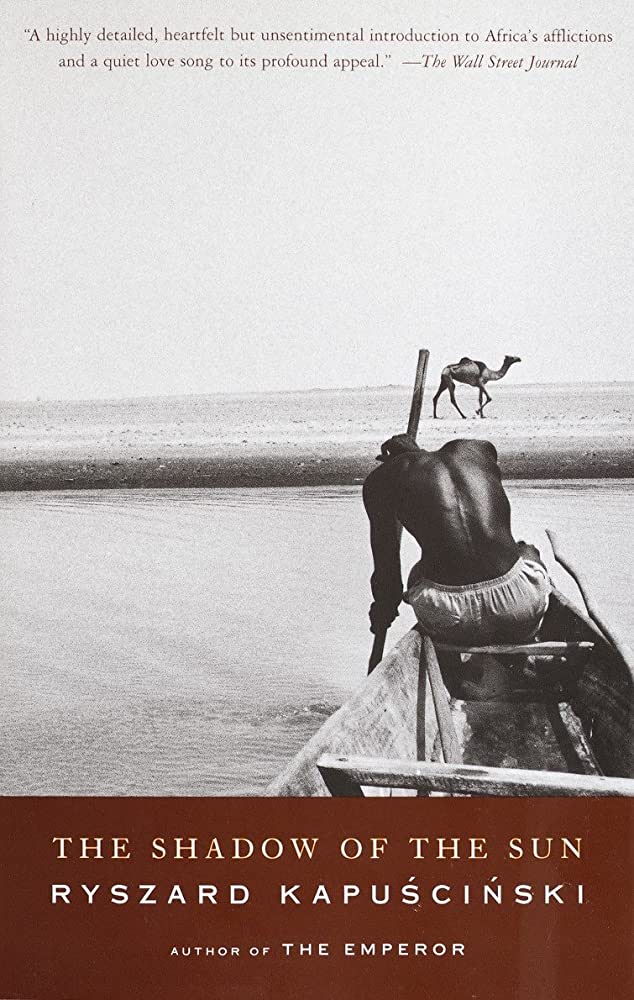
Polish Diary. "The Shadow Of The Sun" by Ryszard Kapuściński.


Like Sergiusz Piasecki, Ferdynand Ruszczyc and many others, Ryszard Kapuściński is one of those prominent Poles whose Belarusian roots are largely disregarded. However, while Piasecki favoured Belarusian settings for his criminal shenanigans of the 20s and Ruszczyc grew up and came of age in Minsk, Kapuściński's association with Belarus is nebulous in the extreme. What is there, really? A school, a two-storied building in Pinsk (which was a Polish city back in the 30s) and little else. Still, there was an odd satisfaction in the fact that my very first book by this great author and journalist was a Belarusian edition. 

The book, Black Tree ("Чорнае дрэва"), is a translation of the 1998 collection of essays titled The Shadow Of The Sun: My African Life. As is seen from the title, the book deals with Kapuściński's extensive experience of Africa from 1950s onwards. Some of the most exciting, violent and transformative decades in that continent's history when countries like Uganda, Eritrea, Rwanda and many others were ravaged by civil wars, bloodthirsty warlords and violent struggles for independence. Horrible, horrifying times - and yet these were the times that begged for the best journalists and reporters. One of those reporters was, of course, Ryszard Kapuściński who found himself at the very heart of African revolution. Kapuściński was a little known Polish journalist back then who really wanted to be inside that particular coalmine. In one of the very first stories here Kapuściński, poor but well-connected, is someone who belongs. A person who is willing to do anything to get onto a plane that will take him to another hot spot.

It is important to note that hot spots are, indeed, hot. Literally hot. Scorching hot, sizzling, blood-meltingly hot. In Africa, Kapuściński writes, you are constantly "moving towards the sun". "Heat stops blood-flow". "Human life relies on shade". These are just a few descriptions of what it feels like to be in an African town, the sort of place that should make people in Kapuściński's homeland happy that Polish weather can be so gruesome and so full of rain.

Kapuściński knows Africa, he understands it - and in order to get to the bottom of the continent and its people (inasmuch as that is actually possible), he never shies away from living in the poorest district (in a decrepit apartment which is constantly robbed), from eating with locals (which involves sitting in a circle in a shady room and eating rice with your bare hands), from taking treacherous journeys across the desert (which could easily result in sudden death from dehydration). He goes for the heart of Africa, and Africa pays him back. In these pages, you can actually witness Kapuściński's evolution as one of the all-time great reporters. His eye for the detail is astonishing, his storytelling is hair-raising. When he writes that "the trembling of malaria-stricken bodies was the only movement in the street", he horrifies and transfixes you. 

He goes for the heart of Africa, and Africa reveals its visceral self. In these twenty-nine essays, sketches, lectures, articles, reports, Kapuściński presents a three-dimensional image of the continent in all its true essence. Heat, malaria, thirst, snakes, crime, poverty - but also people whose primordial depth and intense simplicity are equally shocking and fascinating. Once again, Kapuściński gets really close to them as he discovers their complex religiosity and their peculiar sense of time (which is a lot more adventurous than whatever comes out of our watches and clocks). He untangles, or at the very least tries to, the complexities of the obscene ethnocides in Rwanda, and he explains how a simple hole in the ground could become a new hub of life. There are dozens of stories here, and every single one of them is worth hearing. 

The Shadow Of The Sun is, essentially, great literature. One could treat these essays as short stories, and they will work on that level as well. There is brilliant symbolism here (the black tree being the essential one), there is great tension (the fight with cobra is worthy of any thriller), masterful descriptions (Kapuściński truly captures the briskness of African sunset) and there is the ultimate deus ex machina at the very end of the book. When the elephant appears and scares everyone around, some see the animal as merely an elephant and some, well... there are those who see it as something a lot bigger than that. 


Sunday, 9 April 2023

Кніга. "АПОШНЯЯ КНІГА ПАНА А." (2020) / Альгерд Бахарэвіч.


Дзіўна і цікава пісаць на беларускай мове - асабліва калі не рабіў гэтага палову жыцця. Шмат чаго адкрываеш у сабе, шмат што пужае і здзіўляе, шмат з чым даводзіцца мірыцца. Некаторыя думкі, пра якія хацелася б распавесці па-ангельску ці па-расейску, на беларускай мове не хочацца нават згадваць. Думкі тыя па-ранейшаму існуюць, яны лунаюць перад вачыма і корпаюцца ў галаве, але раптам змяняюць колер і пах. Падаюцца іншымі, нейкімі больш сапраўднымі ці наадварот - звышнатуральнымі. 

А бывае так, што думкі тыя робяць цябе экстрэмістам. Так, пісаць пра гэтую кнігу я вырашыў яшчэ ў снежні, калі атрымаў "Пана А." як калядны падарунак. І вось не прайшло і трох месяцаў, як "Апошняя кніга пана А." зрабілася экстрэмісцкай літаратурай. Зрабілася, вядома, не самастойна. Нейкія шэрыя людзі ў доўгіх шэрых паліто, без пачуцця гумару і густу, прызналі раман небяспечным для краіны (калі тое, што яны пабудавалі, магчыма назваць краінай). Тое, што такім чынам яны прыцягнулі да кнігі больш увагі, відавочна і бясспрэчна, але мяне зараз цікавіць не гэта. Я пра тое, што думка беларуская месціць столькі моцы і таемнай энергіі, што трашчаць ад яе не толькі муры, але і дзяржаўная ідэалогія.  

Альгерд Бахарэвіч падаецца мне самым істотным і цікавым з таго, што адбываецца ў сучаснай беларускай літаратуры. Прычым прыцягвае мяне перш за ўсё тая рашучая самаупэўненасць, з якой ён піша. Ёсць тут нейкая ўнутраная моц, нейкая гуллівая ўсмешка сапраўднага майстра. Ён ведае, што робіць. Гэта першае. Па-другое, ён ведае, што робіць гэта добра. Але здзяйсняе Бахарэвіч і трэці крок, той самы рызыкоўны, самы важны крок пісьменніка. Цяжка растлумачыць той крок - хіба што апошнія радкі "Плошчы Перамогі" могуць праліць крыху святла на мае словы. Бахарэвіч піша так, нібыта можа рабіць у літаратуры абсалютна ўсё, што захоча, і атрымлівае асалоду ад таго, што літаратура дае яму гэтыя крылы. 

"Апошняя кніга пана А.", дарэчы, менавіта пра гэта. Пра крылы. 

Кніга распавядае пра пісьменніка, які вінен багатаму купцу вялікую суму грошай. Калі я кажу "купец", я сапраўды маю на ўвазе "купца". Свет раману крыху казачны, ён не мае геаграфічных назваў і часу. Ён існуе па сваіх законах і правілах, і гэтым крыху нагадвае магічны рэалізм Маркеса. Каб аддаць доўг, купец запрашае аўтара (ці Аўтара) да сябе, дзе цягам месяца апошні павінен будзе кожны вечар чытаць новае апавяданне. Слухаць яго будуць сям'я купца, а таксама ягоныя слугі. Такім чынам, кніга змяшчае трыццаць апавяданняў, якія на першы погляд ніяк паміж сабой не звязаны. Хутка, аднак, чытач пачынае разумець, што гэта зманлівае пачуццё. Што на самой справе апавяданні звязаны гэтымі людзьмі, гэтым домам, а таксама тым, што адбываецца звонку (а там заўсёды нешта адбываецца). 

Спачатку я атрымліваю асалоду ад аповедаў аўтара, але хутка мяне пачынаюць цікавіць гэтыя людзі, а таксама іх казачна-змрочнае існаванне. Усё гэта трохі нагадвае сон - але, магчыма, такімі і павінны быць казкі. Бахарэвіч, дарэчы, умее іх пісаць. "Плошча Перамогі" - гэта таксама казка, як і пэўныя часткі "Сабак Эўропы". Казкі для дарослых, якія захавалі здольнасць да адкрыцця і самаіроніі.

Дом з "Апошняй кнігі пана А." з'яўляецца ўвасабленнем галавы пісьменніка, дзе і павінны знаходзіцца ўсе гэтыя людзі. Усе тыя апхетыпы, якіх малюе Бахарэвіч, ад музы да лісліўца і зайздросніка. Але перш за ўсё гэтая кніга - сапраўдная ода мастацтву, ода пісьменніцтву (маладыя аўтару знойдуць тут шмат карысных парад), ода фантазіі. Апошняя сапраўды жыве на кожнай старонцы кнігі - расчыняе дзверы і адкрывае новыя вымярэнні. Менавіта яна дазваляе аўтару пісаць усе гэтыя апавяданні, якія, дарэчы, можна з лёгкасцю разглядаць як незалежныя творы са сваёй фабулай ды развязкай. Ёсць у іх гумар ("час усё лечыць, асабліва камэнданцкі"), ёсць і цудоўная метафары ды параўнанні ("вясна сьпявала і грымела трамваямі і навальніцамі"). Ёсць удалыя творы, ёсць меней удалыя. Ёсць тое, што нагадвае готыку По, а ёсць тое, што дыхае фантастыкай Брэдберы. Ёсць нават тое, што ў часы безгустоўя і дыктатуры можа сысці за экстрэмізм (напрыклад, апавяданне "Чалавек Раман Бурак" пра забойства нейкага Лідэра Нацыі). 

Не буду пісаць пра свае любімыя апавяданні, іх шмат ("Дзядуля", напрыклад, ці "Мёртвыя ў душы"), але прывяду радкі, якія трапна дэманструюць талент Бахарэвіча. Водбліск той усмешкі сапраўднага майстра, пра якую я распавядаў раней. Гэта радкі з апавядання "Кіно не для ўсіх", якое нагадала мне стары фільм Вудзі Алена сярэдзіны 80-х. У іх Бахарэвіч піша пра рэўнасць: "Рэўнасьць была спачатку ціхая, нібы нехта выпадкова закрануў струну на гітары ў цёмным пакоі. Але потым адгукнуліся іншыя струны, пагрозьліва загудзеў бас. Зазьвінелі талеркі. Рэўнасьць мацнела". У нечым набокаўскія радкі, пранізлівыя і прыгожыя. Дакладныя.

Аднойчы, калі Джойс быў у гасцях, яго папрасілі распавесці пра некаторыя кнігі на кніжнай паліцы і паставіць адзнаку кожнаму аўтару. Што ён і зрабіў. Ён глядзеў на назвы кніг і распавядаў, што думае пра тых пісьменнікаў. Нехта атрымліваў добрую адзнаку, а нехта Z- (дарэчы, Д.Г. Лоурэнс). Я прыгадаў гэтую гісторыю нядаўна, калі чытаў "Гамбурскі рахунак Бахарэвіча". Моц перакананняў гэтага беларускага пісьменніка сапраўды ўражвае, але яшчэ больш мяне ўражвае тое, што яна адчуваецца таксама і ў яго мастацкіх творах. "Апошняя кніга пана А." напісана чалавекам, які добра ведае, што варта A+, а што варта Z-. І гэта здольнасць, якую немагчыма пераацаніць. 


Monday, 9 January 2023

Кніга. "ПА ШТО ІДЗЕШ, ВОЎЧА?" (2020) / Ева Вежнавец.


Калі Рына, галоўная гераіня кнігі, выходзіць з аўтобуса і крочыць да роднай вёскі, уздоўж пустэчы, леса і тхлані, я пазнаю краявід і адчуваю пах прыцемак і вечаровых дрэваў. Ды і цяжка было б уявіць беларускага чытача, асабліва ў цяперашнія часы буйной эміграцыі, які б нутром і скурай не адчуваў гэтага вяртання. Рына вяртаецца не толькі дадому, не толькі ў сваё мінулае, але і ў трагічнае мінулае краіны дваццатага стагоддзя. 

Рына вяртаецца з Германіі ў родную вёску. Чаму? Адказ кароткі, дасціпны і цалкам зразумелы: "Жыццё звужаецца, і трэба вяртацца дахаты". Рына пакутуе ад алкагалізму (ды не, не пакутуе - атрымлівае асалоду, шукае сэнс), і ў самым пачатку мы бачым яе ў жаночай прыбіральні з бутэлькай таннага віна. Гэта яркі вобраз, прыгожы ў сваёй брыдкай бездакорнасці. Дарэчы, на працягу ўсіх гэтых зманліва кароткіх 140 старонак Ева Вежнавец стварае моцныя вобразы, і кожную сцэну рамана адчуваеш не толькі візуальна, але і на нейкім фізіялагічным узроўні. Густая, насычаная проза, якая паходзіць з дзіцячых успамінаў, падсвядомасці і жудаснага мінулага.

Раман ахоплівае сто гадоў, з 1912 па 2012. Менавіта столькі пражыла бабуля Рыны, развітанне з якой хутка ператвараецца ў бясконцыя, бязлітасныя карункі мінулага. Што яшчэ чакае Рыну дома? Змрочны погляд бацькоў і падвыпіўшая дзяўчына з вёскі, якая хоча паведаць Рыне нешта важнае. Але перш, чым яна паспее гэта зрабіць, трэба нанова перажыць мінулае. Бабуля Рыны - Дарошка, Дарфейка, шаптуха, вядзьмарка - хутка становіцца другой цэнтральнай фігурай кнігі. Менавіта праз яе мы адчуваем крывавы подых дваццатага стагоддзя. Забойства габрэяў, раскулачванне, немцы і паліцаі, партызаны, "тры каласкі" і гэтак далей. Бясконцыя цыклы чалавечай трагедыі, якія хватаюць за пяткі і цягнуць назад, у няўмольную багну мінулага. 

Якое, дарэчы, жыве і добра сябе пачувае. Калі Вежнавец піша пра ўсе гэтыя скрадзеныя швейныя машынкі, то перад вачыма паўстае ўжо не першая палова дваццатага стагоддзя, але і ўсё тое, што адбываецца сёння, з намі і каля нас. Мы пазнаём сучаснасць і мы пазнаём мінулае. Так, я памятаю, як апускаўся той самы ліпеньскі вечар, пра які піша Вежнавец. Памятаю, як у дзедавай хаце збіраліся суседзі, каб увесь вечар маўкліва і бездыханна глядзець тэлевізар. У гэтых апісаннях, асабістых, а часам нават інтымных (ёсць вельмі моцны і прыгожы эпізод, калі Рына сыходзіць з дому праз першую менструальную кроў, якая падаецца ёй ракам), адчуваецца прысутнасць самой аўтаркі. Гэта яна вяртаецца дахаты, яна адчувае подых ваўкоў, яна ў чарговы раз перажывае жыццё сваіх продкаў.  

Дарэчы, пра ваўкоў. Ёсць такія назвы... Воўк, які паўстае на вокладцы кнігі, так ніколі і на з'яўляецца на працягу апавядання, але менавіта ў гэтым яго пачварная моц, яго вусцішная хватка. Ён паходзіць са шматлікіх беларускіх казак і прымавак, і ён не толькі дадае адмыслова беларускі каларыт знакамітаму біблейскаму "Domine quo vadis?" Ён існуе як нешта непазбежнае, як тая канстанта, якая нябачна кіруе жыццём. А калі не кіруе, дык назірае. А калі не назірае, дык увесь час прысутнічае ў нашай падсвядомасці.

У нядаўнім інтэрв'ю Вежнавец казала, што раман гэты спачатку займаў 500 старонак, і ўжо потым яна вырашыла скараціць яго амаль утрая. У абсалютнай большасці выпадкаў такое рашэнне падалося б мне выдатным. "У пісьменстве трэба забіваць сваіх каханых", як некалі Уільям Фолкнер завяшчаў пісьменнікам, якія баяцца выкінуць з кнігі любімыя словы і нават сюжэтныя лініі. Дарэчы, я ўжо шмат разоў пісаў пра тое, што люблю кароткія раманы. Але ж гэтым разам большы памер кнігі быў бы цалкам апраўданы і пазволіў бы зрабіць фінал кнігі больш эмацыйным і меней скомканым. (Удакладню, што рэч ідзе не пра эпілог; эпілог у рамане нагадвае сем труб з "Кнігі Апакаліпсіса" і пакідае вельмі моцнае ўражанне.) 

Раман "Па што ідзеш, воўча?" - гэта важны твор для сучаснай беларускай літаратуры, і гэтым разам немагчыма аспрэчваць прэмію Ежы Гедройца, якую Ева Вежнавец атрымала два гады таму. Раман адначасова змрочны і прывабны, вусцішны і чароўны. Ён пакідае пасля сябе горкі смак, але смак гэты настолькі родны і непазбежны, што нам застаецца толькі прыняць яго і палюбіць. Раман робіць шмат сумных высноў ("Горшай хваробы, чым чалавек, няма на свеце"), але мне падаецца, што ў пераемнасці пакаленняў ёсць пэўны аптымізм. Так, ёсць шматлікія хваробы, якімі прыйдзецца перахварэць, але захоўваецца па-ранейшаму і надзея, што перахварэўшы ў чарговы раз, мы адчуем нарэшце, як яны знікнуць назаўжды. Калі б, канешне, у свеце існавала нешта падобнае да завяршэння. 


Friday, 16 September 2022

Polish Diary. Antykwariat Grochowski.


* I want to preface this by saying that Javier Marias died a few days ago, and it's a death that hurts. His prose was original, charismatic, lyrical and spoke to me in a very intimate way. A Heart So White, Tomorrow In The Battle Think Of Me and especially The Infatuations (I was actually addicted to that novel) are all essential reading. Powerful, quietly devastating books. Truly one of the most important writers in my life. Rest in peace.


Grochów is not the most spectacular district in Warsaw. It is moody and it may let you down after the ramshackle charm of Praga-South. That is, however, if you make two mistakes: come here at a time when the trees are not in full bloom and choose to forego the famous Antykwariat Grochowski. Green trees bring the monotonous architecture alive and even the local parks acquire the edge they normally lack. And then, of course, there is the bookshop. The bookshop that is, let's face it, the sole reason why you are here.

Antykwariat Grochowski is actually two separate shops. The first one is devoted to books in the Polish language, and the second one is a bizarre and bewitching blend of every single thing on earth: oil paintings, pre-war posters, foreign books, vinyl records, vintage coats, obscure magazines, china dolls, etc. Outside, in Kickiego street, you are greeted by the sight of several rows of cardboard boxes filled to the brim with cheap paperbacks. Browsing through them is a vaguely familiar pair you are likely to meet in various parts of Warsaw: a middle-aged woman and a dog. They are both inspecting the offers thoroughly, and with the kind of tranquil precision that makes you feel at home before you even enter the door. 

The smell of books is overpowering: that unmistakable scent of dust and vanilla. The books are everywhere, and I do mean everywhere. They are on the shelves, on the floor, hanging from the ceiling. It appears that the whole shop is constructed from books: walls, bookcases, even the desk that is occupied by a bespectacled lady in her 50s, sitting there in complete concentration, in dim light, reading. The books in this shop are all in Polish, and I feel sorry that I do not know the language well enough to read everything displayed in this crooked maze of a shop. Detective stories, autobiographies, historical novels, cook books from the 60s... I ask the lady about the English books, and she is visibly confused by the unfortunate distraction in the form of me. That would be the next door, she explains, in another part of the shop. 

So there is another part, and it is, indeed, the reason why I am here. I go down the stairs, and I find myself in the underground Moria of bookshops. This part is actually bigger, spacier, and one can finally distinguish the shelves from the books. Which is not to say that these shelves are not heaving from music, literature, art. They most definitely are, and the smell is much the same. Only richer, denser, more intoxicating. Quite simply, you can find just about anything - even if the best way to come here is in a blindfold, without any prior wish lists and preferences. That way, you may just find something you had always been missing, quite unknowingly, like that battered old anthology of Polish films of 1964, a poster of Zbigniew Namysłowski's jazz concert from August 1973 or a German compilation of Blood, Sweat & Tears on vinyl (my case). 

Their collection of American jazz is impressive, as are the stacks of black and white magazines from the Golden age of Polish cinema. The section with books is equally arcane and extensive, and you might just come across a hefty volume on Italian mushrooms or else on sports cars in Łódź in the second part of the 80s. The English language sections is relatively limited, but you you will find the first edition of The Adventures of Augie March in between the tedious paperbacks of Catherine Cookson. When after all that search and browsing you get to the counter, it has been hours and you have lost all sense of time. 

Outside, it could be night and it could be the breaking of dawn. That you go out and the trees are still green is a pleasant bonus. One, however, that you no longer need. The monotonous architecture of the Grochów district finally gets to you. 


Wednesday, 7 September 2022

Three books. Allen, Polanski, Lynch.


These three autobiographies have come my way over the last few months. Interestingly, they have all been published quite recently (or republished, in the case of Roman Polanski) and they have all been written by three of my favourite filmmakers. Not necessarily great writers - but with lives like that, would you care?


Woody Allen. Apropos of Nothing (2020).


While it is certainly an entertaining memoir, it is hard not to deplore the fact that Woody Allen spends a good half of this book discussing the sexual abuse allegations. Obviously he has to defend himself (against snowflake publishers, against fickle film stars, against his son and his ex-wife) - but what a waste. He could have been telling us a million stories - instead, he never even gets into the details of his encounter with Simone de Beauvoir. Brilliant observations (like the one where he tells us that Naomi Watts has the 'sexiest two upper teeth in the world') are in short supply, too. Instead, he has to justify himself for things of which he had been acquitted ages ago. Instead, it is what Alan Dershowitz once called 'guilt by accusation'. 

The memoir is full of humility - to a fault. Woody Allen's life has been fascinating, and yet he writes about it in such an 'ah well' manner that you might think he is not the one responsible for dozens of classic American movies. There comes a point in reading Apropos of Nothing when you realise that he dedicates a little over one page to brilliant films like Blue Jasmine and Sweet & Lowdown. It certainly points to a rich and eventful career (where Cate Blanchett is just another great actor) but it also points to a reader being left in the snow. Because, inevitably, you will want more. 

So all the more reason to cherish those first pages where Allen speaks about his early career in comedy and his biggest inspirations. Bob Hope (for whom Allen ended up writing) is a hero, and the way he talks about his admiration for Mort Sahl is pure joy to read. It is a little overwhelming, however, and you might have to watch yourself. Otherwise, you could drown in the sea of names that Allen brings up rather casually - but which are all there for a reason. Thankfully, a lot of space is devoted to Diane Keaton, and the story of Mary Bancroft is a pleasant and somewhat disturbing one-page digression which could easily make it into a Woody Allen film. Really, his plots are everywhere, and with a biography this intense and with a sense of humour this natural you should not wonder where he got all those plots.

There are no special revelations about his films or his actors - but those small details and observations which he throws around so effortlessly are well worthy of your time. He explains why Interiors failed, for instance (no rehearsal), or that there is a scene in Radio Days taken from life (mother running with a knife) or that he considers Husbands and Wives to be his greatest film (there are days when I agree). 

"Attack the day!" he writes at one point, and you know this is exactly what he has been doing all his life. Be that his films, his writings or his clarinet. In this book, he tries so hard to make his life seem ordinary, and it is an admirable attempt - but he fails miserably. It is not an ordinary life. There is, for instance, a story involving Roman Polanski - and the story is more incredible than any of Woody Allen's most insane plots.

Favourite quote: "Judy Davis and I still don't speak, but now it's in Italian". 


Roman Polanski. Roman (1984 / 2017).


Roman is a very frank book. But then, in 1984, nothing else would have done. With a life like that, Polanski had to say it all. And he did. On the way to absolute frankness, Polanski takes no prisoners. So from peeing in bed as a child to the brutal murder of Sharon Tate to the detailed description of the notorious sexual encounter in Jack Nicholson's house, you get to know everything. For better or for worse, Roman Polanski's life is one hell of a ride through immense talent and moral ambiguity. 

It actually took me almost two months to read this book. I read it in Polish and that was something I chose to do on purpose. The Polish language puts an oddly melancholic spin on these events, and it makes Polanski's return to Krakow at the end of the book all the more poignant and memorable. 

In war-torn Poland of his childhood, life was rough and miserable but it was also a period of great obsessions (looking for celluloid in dumpsters, the failed plan to escape to France in a poky bathroom of a Polish train) and of great imagination (the story of a lamp which he believed to be a lie detector is my personal favourite). And all the while, you can spot those small instances that point to the future. While hiding in Warsaw, he saw an abandoned dog on a balcony - with soldiers silently marching by. It is such a beautiful, such an impossibly sad cinematic moment. These days, you read Polanski's autobiography and you think it was all just a string of coincidences - him meeting the right people at the right time. But in the end - that is what makes up a life, all those friendships and affairs and chance encounters. Polanski never shies away from the fact.

Still, there may have been luck - but there was also talent. He covers those early student films in great detail, and it is fascinating to watch them now and witness the dark edge and the moral unease that would later be seen in full bloom. And then there are stories, millions of them. In telling these stories, Polanski pulls no punches. The girl in Knife in the Water 'could not act' (in fact, some stories about her are downright cruel), Catherine Deneuve was 'difficult' (and refused to be shot naked) and Jack Nicholson's TV set got broken by Polanski while making Chinatown (ever an NBA fan, Nicholson could not miss a Lakers game). There was an actor who hated Germans, another who did not want to do a sex scene and Frank Sinatra was a cold-blooded bastard. Really, what a life.

There is great love, too. The pages devoted to Sharon Tate are genuinely emotional, and the way a strangely superstitious Polanski describes their last goodbye is truly heartbreaking. The friendship with Krzysztof Komeda is handled with equal fondness and warmth, and one of my favourite stories in the book involves Komeda's unlikely arrest in California for riding the motorcycle too slow. Also, Roman is full of Polanski's dark humour, and the LSD experience with a girl in London (a word of warning: there are many girls in this book) is both hilarious and disturbing. And then, of course, there is a lot on the movies - the good ones, the bad ones, the ugly ones. It was certainly interesting to find out the thinking behind What? and the origins of making Tess. 

And then, at the very end, Polanski comes back to Poland and says a few important words about Solidarity and the biggest vices of Polish people (alcohol and religion, basically). But you believe him - if only for the reason that here is a man who knew everything about his own vices and who never really tried to hide them. 

Favourite quote: "Critics always preferred my previous film". 


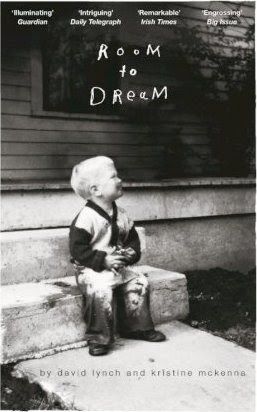
David Lynch. Room To Dream (2018).


You would not expect a straight-up autobiography of David Lynch, would you? 

The book is divided into 16 chapters, and each chapter is written twice. First time it is written by journalist Kristine McKenna and then it is written by David Lynch after reading McKenna's 'factual' version. It is a wonderfully entertaining approach - even if it can occasionally be a little frustrating. Because Lynch chooses to comment on whatever the hell he wants, and while it is always worthwhile, he sometimes misses things you most want to hear. For instance, we never get to find out why Michael Ontkean did not appear in the third season of Twin Peaks...

Each one of these 16 chapters deals with a specific period of Lynch's life. We start with a small American town in the 50s and everything that comes with it: Boise is romantic, dreary, utterly provincial. And, as one of his old friends claims, when Lynch left it - it was like music stopped, like 'someone unscrewed a lightbulb'. This will be a common pattern throughout the book. People love David Lynch, and it goes beyond hero worshipping. David Lynch has this presence, this charisma, this charm. He is the sort of guy who will look into the eyes of someone who brought him coffee on a busy film set and say thank you. Meaningfully, with eyes fully fixed on that person. Actors, crew members, friends and even ex-wives all speak of Lynch with great fondness. "He could get you to do anything, and he’d do it in the nicest way". As a matter of fact, there was just one person who disliked David Lynch, and that was Anthony Hopkins who was famously sulky and morose during the filming of Elephant Man. Lynch bears no grudges - and besides, there was a letter of apology many years later.

I guess there is always an episode in every person's biography which fully encapsulates the essence of said person. In Lynch's case, it could well be that moment in his early life when he was making a painting and all of a sudden a moth got stuck in the paint. He did not want to take it out. Death and art - he loved the combination. Weirdly, he saw light in it. And so out of little paid jobs and out of poky art studios there came a fully-formed artist motivated by nothing but his vision. You do not make a debut like Eraserhead driven by money or potential fame. But also there was humility. "Is this art? My film?" he asked someone after the release of Eraserhead. And he was not being coquettish either. Beyond that vision, everything else is immaterial.

For fans of Lynch (and the author of these lines certainly qualifies), this book is endlessly entertaining. He wanted to drill a hole in an actor's cheek for Dune. He was laughing while doing those gruesome sex scenes in Blue Velvet. Best of all, however, are the directions he gave to his actors. "Think about ghosts", he would tell someone while shooting a scene that has nothing to do with ghosts. My favourite episode involves Mädchen Amick (Shelly Johnson in Twin Peaks) who was not coping with an emotional scene and was growing frustrated because of it. At some point Lynch came up to her, looked her in the eyes, put his arm on her shoulder and sighed. And all of a sudden - she knew how to do the scene. You could say that is silly, or you could say it is magic. With David Lynch, it is probably both. 

Lynch writes in simple, almost deliberately simple sentences. He uses expressions like 'beyond the beyond' and 'peachy keen'. He is, after all, a guy who made The Straight Story (it is hilarious that David Cronenberg was the head of the Cannes jury that year, and he probably hated that film; interestingly, when Lynch was presiding of the Cannes jury, Polanski won with The Pianist). And while the book is full of incisive observations ("You die two deaths if you sell out and fail and just once if you fail"), it is the simplicity, the rawness that strikes you the most. Ultimately, what Lynch shows in this book is that all you ever needed, as an artist, is a room to dream.

Favourite quote: "Always be present".